Injection Moulding
How Is a Trophy Made?
One of the most popular uses of plastic injection moulding is the creation of trophies. Trophies are used in just about every industry; everyone from celebrities to students receive trophies as awards. They are physical evidence that a person or group of people has done something spectacular.
They range from inexpensive to very, very expensive. But how are they made?
Here is an overview of the creation and moulding process:
- Each part of a trophy is designed separately. Each part goes through a design process. An assembler selects components to put the trophy together. The pieces include: a base, column(s), the riser, and the figurine. Some trophies have an additional tier on top of the columns. A trophy can have a single column or three or four.
- The product development team works on the concept. The manufacturers conduct research, talk to customers, and brainstorm ideas. Customer opinion and current trends play a role in the production of a trophy. The product development team consists of designers, graphic artists, sculptors, and engineers.
Five Ways Injection Moulding Influences Our Everyday Lives
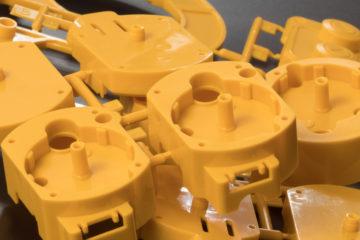
Most plastic products are created using a common manufacturing technique called ‘plastic injection moulding‘. During this process the raw material, some form of plastic, is completely melted and then inserted into a special mould. Then the material is cooled and expelled immediately.
Most of the plastic items and products we use in our everyday lives are made of using plastic injection moulding. Here are five real-life examples:
- Your Home
- Food Industry
- Travel
- Sports
- Technology
Technology is also heavily reliant on plastic injection moulding. Let’s imagine for a moment what you would have to give up if we stopped using plastic injection moulding:
- Your computer relies on plastic parts that are created from plastic injection moulding.
- Your printer also relies on crucial plastic components
- It is inconceivable to have a digital camera without some form of plastic injection moulding.
- All digital music players – like your iPod – have parts that can only be created by plastic injection moulding.
Most of the plastic items used in and around the home are crafted using the injection moulding technique. You may not be aware but the dust bin you use, the sink cover; bottles, toys, artificial flowers, decorative items, soap cases, containers, laundry baskets and a lot more are made using this process. Furthermore, the whole concept of product design relies heavily on the ability to create realised prototypes with plastic injection moulding.
Many items – such as disposable razors and the plastic plug in your sink – would not be produced at all were it not for plastic injection moulding.
The food industry as we know it would struggle to operate without this process of plastic injection moulding. Can you imagine a supermarket or a restaurant making do without plastic containers, disposable cutlery and related items? Certainly not!
The food storage containers by which the food is delivered to supermarkets, and in many cases, to your doorstep, ice cream containers and many more products rely on the plastic injection moulding process. Without this process, it’s hard to imagine how the modern food industry would cope!
Odds are that when you catch a train or sit down in your airline seat, the absolute last thing on your mind is plastic injection moulding. But believe it or not, without plastic injection moulding, our very transport system would grind to a halt! Trains have plastic interiors. The same is true for cars and planes, most of the crucial interior parts are made with plastic.
Most sports related items are engineered to precision using plastic injection moulding. The hulls of water sport vehicles like boats and jet skis are made from plastic. Soccer shoes, mouth guards, skateboard wheels – all of these items are manufactured by plastic injection moulding.
These four examples are just the tip of the iceberg. Nearly every product with a plastic component would not function without the use of plastic injection moulding.
As you can see, plastic injection moulding plays a very important part in our everyday lives. Hopefully this article has shed some light on this underreported process.
Four Steps to Success in Rapid Injection Moulding Design
The basic concept behind rapid injection moulding has remained unchanged for the past 20 years. However, it is important to understand this basic concept in order to ensure 100% success with rapid injection moulding. This article will outline the four steps to success in rapid injection moulding product design.
These four steps are:
- Uniform Wall Thickness
- Know About The Resins You Plan To Use
- Have an Appropriate Draft
- Understand the Protomould Manufacturing Process
Ten Things You Didn’t Know About Plastic Injection Machines
Most people are not aware of what plastic injection machinery is. In terms of product design, all of us are surrounded by plastic objects made with plastic injection machines – such as water bottles, telephone handsets, CD covers, dust bins, electric outlets and a lot more. Did you ever realize that these commonly used items are made out of a plastic injection machine?
So if you have ever been interested about plastic injection machines, here are ten things about these machines that might surprise you:
Fact 1: The market is loaded with plastic injection moulding devices, the size of which may range from a plastic box lid to something as large as your garage!
Click Here To Read More
Plastic Injection Moulding: How Does it Work?
A lot of people go through life with no real interest in the ‘behind the scenes’ stuff. They don’t want to know where their dinner came from, they just want to know it’s in front of them. They have a similar opinion on everything from how their car works to the physics that drive our reality. There is nothing wrong with this kind of person, it takes all kinds to make up the world. There is another type of person, however, and this type of person likes to know the back story of everything. This type of curious individual loves watching documentaries about how things are built, behind-the-scenes features on how certain films are shot, and is usually the type of person who takes things apart to find out on their own what makes it tick. It if for these inquisitive creatures that we’ve created this article, a brief look at the way in which plastic injection moulding works. While most of our homes are filled with items that came into existence through plastic injection moulding, many of us have no idea how it works. Allow us to explain…
Click Here To Read More
The History of Plastic Injection Moulding
Today, plastic injection moulding is responsible for the creation of products as varied as buttons and toys to state of the art computer touch screens and parts for aerospace products. A versatile and incredibly useful process, plastic injection moulding has paved the way for modern invention and design, and is something the world today could not function without. But where did it come from? Who invented it? Where did it originate? How did it catch on? You’re in luck, because all of those burning questions are about to be answered as we delve into its interesting history…
Click Here To Read More
Understanding Injection Moulding
Injection moulding is a manufacturing method where plastics are shaped (or ‘moulded’) to form all kinds of objects that we use in our everyday lives. If you’ve ever sat on some plastic lawn furniture, unscrewed a plastic bottle cap or combed your hair with a plastic comb, then you’ve probably used an item that was created as a result of plastic injection moulding.
Click Here To Read More
Injection Moulding Explained
For those of you who want to know a little more about plastic injection moulding, this article will attempt to explain, in layman’s terms, exactly what this means. Basically, injection moulding is a process that was first designed in the 1930s. Up until then die casting, or the process by which metals are cast from a molten state, was the most common form of converting scrap metals into other usable products.
Injection moulding was an advance on this process because it allowed plastic resins to be injected with force into a mould which produced the desired product.
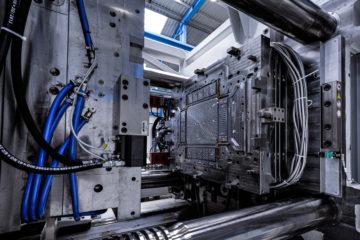
Large injection moulding machines basically take the resins through six major processes and can produce a huge variety of products from tiny toys like plastic spiders right through to complex computer parts.
Click Here To Read More
4 Different Types of Steel
Steel is a catch-all phrase use to describe a group of iron alloys. These alloys all have one thing in common: malleability. Steels can all be melted down and used in the injection moulding process to create everyday items. Steels can be cast directly into moulds, or can be made into other forms which allow them to be heat-treated and worked on at a later stage. Here are four different types of steel:
Click Here To Read More
10 Different Types of Plastic
Plastic is as varied as it is malleable. As a man-made substance, plastic can be created to almost any specifications, and each plastic type has its own particular functions and uses, from elastic to rigid. Here is a list of 10 plastics associated with injection moulding and their properties:
Click Here To Read More